
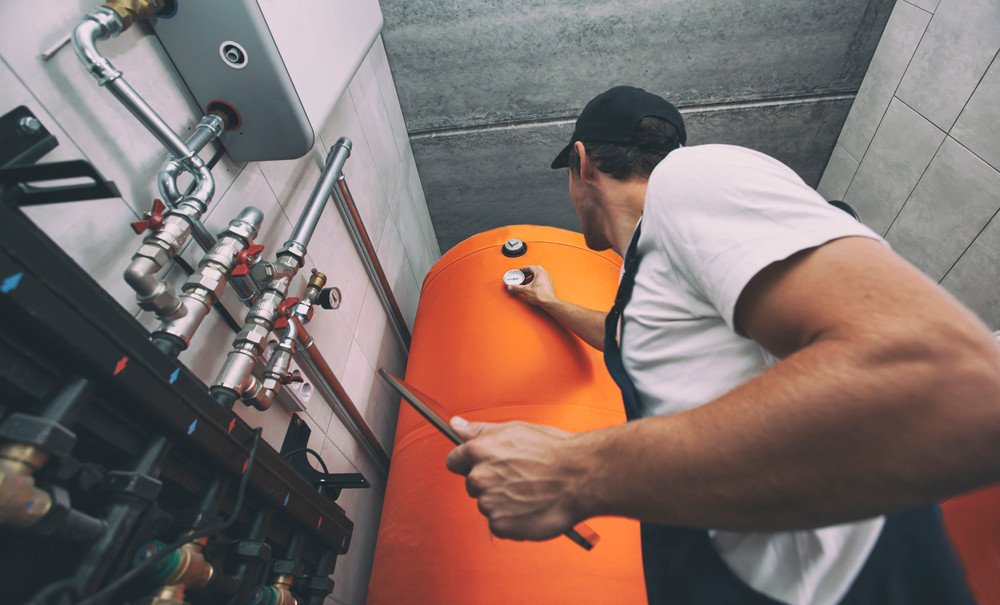
Signs Your Hot Water Heater Needs Repair or Replacement
Your hot water heater is a vital part of your home, providing the hot water you need for everyday tasks like showering, washing dishes and doing laundry. But like any appliance, water heaters don’t last forever and there will come a time when you need to decide whether to repair or replace yours.
At Aquality Plumbing & Heating, we understand the importance of a reliable hot water heater and we’re here to help you identify when your unit might be in trouble. In this blog, we will discuss the common signs that your water heater may need repair or replacement and provide guidance on when to take action.
1. Inconsistent Water Temperature
The Problem:
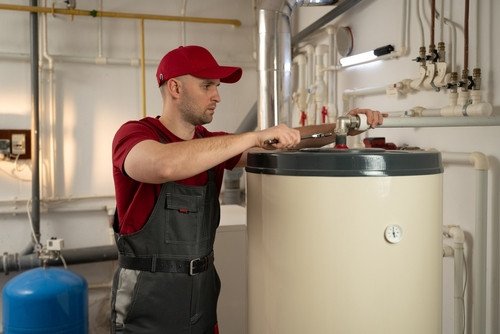 One of the first signs that your water heater may need repair is inconsistent water temperature. If you notice that your water alternates between hot and cold during use, or if it doesn’t heat up as quickly as it used to, it could indicate an issue with the heating elements, thermostat or other internal components.
What to Do:
Inconsistent water temperature can often be resolved with a water heater repair. Our experienced team at Aquality Plumbing & Heating can inspect your unit, diagnose the problem and recommend the necessary fixes. However, if your water heater is more than 10 years old and the issue continues to recur, it might be time to consider a replacement.
2. Reduced Hot Water Supply
The Problem:
If you’re finding that you run out of hot water faster than usual, it’s a sign that your hot water heater is no longer performing at its best. This could be due to sediment buildup in the tank, which reduces the amount of water the heater can effectively heat. It may also be an indication that your water heater’s capacity is no longer adequate for your household needs.
What to Do:
In many cases, flushing the tank to remove sediment buildup can restore the unit’s efficiency. Regular maintenance can help prevent this problem from worsening. If flushing the tank doesn’t resolve the issue or your water heater is too small for your current hot water demands, upgrading to a larger, more efficient unit might be the best solution.
3. Strange Noises Coming from the Hot Water Heater
The Problem:
It’s normal for your hot water heater to make some noise while it’s operating, but if you start hearing loud banging, popping or rumbling sounds, it’s a sign that something isn’t right. These noises are typically caused by sediment buildup at the bottom of the tank. As the water heats, the sediment traps air bubbles, creating these disruptive sounds.
What to Do:
Sediment buildup can be addressed through routine water heater repair and maintenance. Flushing the tank can often resolve the noise issue and improve your water heater’s efficiency. However, if the sediment has caused significant damage to the heating elements or tank, a replacement may be necessary.
4. Water Discoloration or Rusty Water
The Problem:
If you notice that the water coming from your taps is discoloured or has a rusty tint, it could be a sign that your water heater’s tank is corroding from the inside. Rust can form on the steel components of your hot water heater, and once it starts, it’s only a matter of time before leaks and further damage occur.
What to Do:
If rust is present in your water, it’s important to act quickly. In some cases, replacing the anode rod—a part that prevents rust from forming inside the tank—can extend the life of your water heater. However, if the corrosion has spread throughout the tank, it’s time to replace the unit to avoid leaks and potential flooding.
5. Leaking Hot Water Heater
The Problem:
Water pooling around the base of your hot water heater is a clear indication that there’s a leak. Leaks can occur for a variety of reasons, including a cracked tank, loose connections or a malfunctioning pressure relief valve. Regardless of the cause, it’s essential to address leaks immediately to prevent water damage to your home.
What to Do:
Minor leaks caused by loose connections or faulty valves can usually be repaired by a professional plumber. However, if the tank itself is leaking, there is no repair option available and you will need to replace the unit. At Aquality Plumbing & Heating, we can help you determine whether your water heater can be repaired or if it’s time for a new installation.
6. Age of the Hot Water Heater
The Problem:
Hot water heaters typically have a lifespan of 8-12 years. If your hot water heater is approaching or exceeding this age range, it’s more prone to breakdowns and efficiency issues. Older units are less energy-efficient, which can lead to higher utility bills and frequent repairs.
What to Do:
If your water heater is nearing the end of its lifespan, we recommend evaluating its performance regularly. While a well-maintained water heater may last longer, it’s essential to be proactive in planning for a replacement. Investing in a new, energy-efficient model can save you money on your energy bills and provide more reliable hot water for your home.
7. Hot Water Heater Takes Longer to Heat Water
The Problem:
If you’ve noticed that it’s taking longer for your water heater to provide hot water, it could indicate that the heating elements are wearing out or that sediment buildup is interfering with heat transfer. This not only affects the temperature of your water but can also increase your energy consumption.
What to Do:
A water heater repair may be able to resolve this issue, particularly if the heating elements can be replaced or the sediment flushed from the tank. However, if your hot water heater is older and the problem persists, upgrading to a more efficient model may be the best course of action.
8. Frequent Repairs
The Problem:
If you find yourself calling for water heater repair services multiple times a year, it’s a clear sign that your unit is reaching the end of its useful life. Constant repairs can add up quickly and at some point, the cost of fixing an aging water heater outweighs the cost of replacement.
What to Do:
We recommend keeping track of how often your hot water heater needs repairs. If you’ve had to repair your unit more than once in the past year, it may be more cost-effective to invest in a new water heater. A newer model will provide more reliable service and reduce your long-term repair costs.
9. Higher Energy Bills
The Problem:
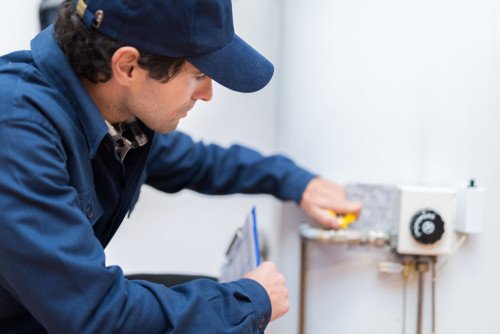 An aging or malfunctioning water heater can cause your energy bills to spike. If your hot water heater is working harder than it should to maintain water temperature, it’s likely consuming more energy than necessary. Sediment buildup, worn-out parts and decreased efficiency all contribute to higher energy usage.
What to Do:
If you’ve noticed a sudden increase in your energy bills without a change in usage, it’s time to have your hot water heater inspected. In some cases, a water heater repair can restore efficiency, but if your unit is older or significantly damaged, replacing it with a more energy-efficient model can lower your utility costs.
Conclusion: Repair or Replace?
At Aquality Plumbing & Heating, we understand that deciding whether to repair or replace your water heater can be challenging. However, recognizing the early signs of trouble can save you from unexpected breakdowns and expensive repairs. If you are experiencing any of the issues we’ve discussed, it’s essential to have your water heater inspected by a professional plumber.
When it comes to hot water heater repair, we offer reliable and affordable services that can extend the life of your unit. But if your water heater is past its prime or requires frequent repairs, it may be time to consider a replacement. We will work with you to determine the best option for your home and provide expert installation of a new, energy-efficient water heater.
If you are unsure whether your hot water heater needs repair or replacement, contact us at Aquality Plumbing & Heating today for a thorough inspection and expert advice. We are here to ensure that you always have reliable access to hot water and that your home’s plumbing system is running smoothly.

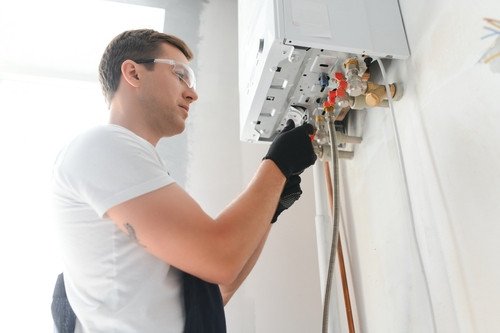
 Technology has come a long way to get warm water to your desired faucet or fixture faster than ever with tankless hot water heaters. This happens with built in recirculation pumps.
