5 Things to Know About Radon Removal in Calgary

5 Things to Know About Radon Removal in Calgary

Radon gas is an invisible, odourless and tasteless threat that can be present in homes across Calgary. As homeowners, it’s crucial to be aware of the dangers of radon and take the necessary steps to mitigate it.

At Aquality Plumbing & Heating, we specialize in radon removal in Calgary, ensuring that your home is safe from this harmful gas. But what exactly is radon, and how can you protect your family?

Here are five essential things to know about radon removal in Calgary and how our team can help keep your home healthy and safe.

1. What Is Radon and Why Is It Dangerous?
5 Things to Know About Radon Removal in CalgaryRadon is a naturally occurring radioactive gas that is produced by the breakdown of uranium in soil, rock and water.

While it’s present in trace amounts outdoors, where it’s harmless, radon can become a serious problem when it enters your home and accumulates in enclosed spaces like basements, crawl spaces and even main living areas.

In Calgary, radon is a particular concern due to the region’s geological makeup. The city sits on radon-rich soil, which increases the chances of radon gas entering homes through cracks in foundations, gaps around pipes or other openings in the structure.

Once inside, radon gas can build up to dangerous levels and long-term exposure has been linked to lung cancer. Radon is the second leading cause of lung cancer after smoking, according to Health Canada.

At Aquality Plumbing & Heating, we believe that understanding the risks associated with radon is the first step in protecting your home. That’s why we offer professional radon removal and testing services to help you maintain a safe environment for your family.

2. How Does Radon Get into Your Home?

Radon gas enters homes through a variety of pathways. It primarily seeps in through:

  • Cracks in the foundation: Even the smallest cracks in concrete or basement floors can allow radon to enter your home.
  • Gaps around pipes: Spaces where plumbing, electrical or other utilities enter your home, can act as entry points for radon.
  • Sump pumps and drains: Unsealed sump pump pits and floor drains can serve as conduits for radon gas to rise into your living spaces.
  • Construction joints: The joints between walls and floors or around basement windows are potential sources for radon to leak in.

Since radon is undetectable without specialized testing, it’s essential to have your home tested, especially if you live in Calgary where radon levels can be higher than the national average.

Our team is trained to identify potential entry points and can offer solutions to reduce radon levels in your home.

3. The Importance of Radon Testing

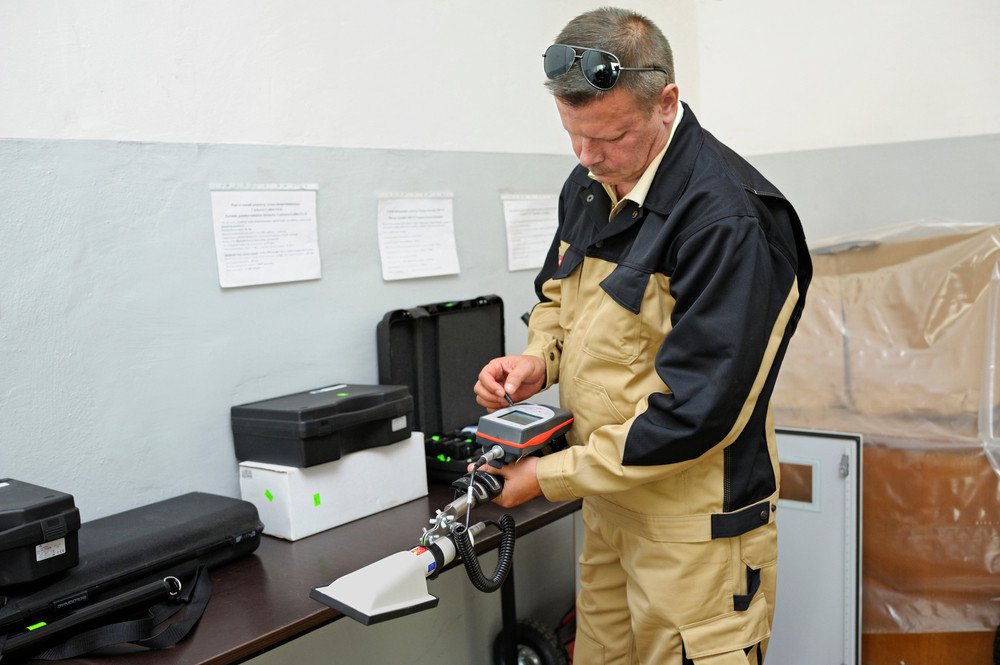
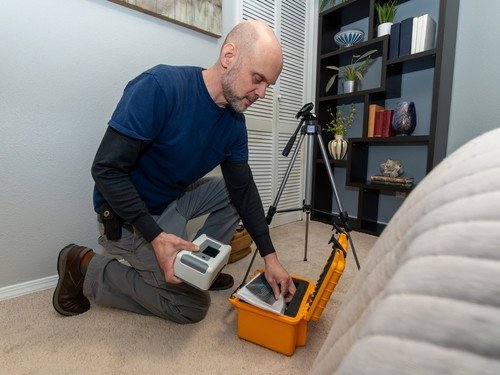
Testing is the only way to know if your home has elevated radon levels. Because radon is invisible and odourless, you won’t know it’s there unless you specifically test for it.

At Aquality Plumbing & Heating, we recommend that all Calgary homeowners have their homes tested, particularly if they have basements or live in older homes where foundations may have more cracks and gaps.

There are two main types of radon tests: short-term tests and long-term tests.

  • Short-term tests: These typically last between two and seven days. They provide a snapshot of radon levels in your home but may not capture seasonal fluctuations.
  • Long-term tests: These tests last three months to a year and provide a more accurate reading of your home’s average radon levels. Because radon levels can vary throughout the year, long-term tests are considered more reliable.

If your home tests above the recommended radon level of 200 becquerels per cubic meter (Bq/m³), it’s essential to take action.

Our team is experienced in conducting radon tests and can help determine the best course of action for radon removal if elevated levels are detected.

4. How Radon Mitigation Works

If your home has elevated radon levels, radon mitigation is necessary to bring those levels down to a safe range.

At Aquality Plumbing & Heating, we specialize in radon removal in Calgary and use proven techniques to ensure your home is radon-free.

The most common and effective radon removal method is a sub-slab depressurization system, which involves:

  • Installing a vent pipe system: This system pulls radon gas from beneath the foundation before it can enter your home. The vent pipe runs from beneath the slab or basement floor and vents the gas safely outside, above the roofline.
  • Sealing entry points: Our team will seal any cracks in your foundation, gaps around pipes and other openings that could be allowing radon to seep into your home.
  • Using a fan system: A specialized fan is installed to create a vacuum effect, pulling radon gas out from beneath your home and venting it outside.

This system is highly effective and can reduce radon levels by up to 99%. Our experienced team will assess your home’s specific needs and provide a tailored solution to ensure that radon is safely removed from your living space.

5. Why Choose Aquality Plumbing & Heating for Radon Removal in Calgary?

5 Things to Know About Radon Removal in CalgaryWhen it comes to radon removal in Calgary, choosing a trusted and experienced provider is essential.

At Aquality Plumbing & Heating, we take pride in offering comprehensive radon mitigation services that protect your home and family. Here’s why Calgary homeowners trust us:

  • Expertise: Our team is trained in radon testing, removal, and mitigation techniques. We stay up-to-date on the latest industry standards and technologies to provide the most effective solutions.
  • Customized Solutions: Every home is different, and we take the time to assess your property to develop a tailored radon removal plan that fits your needs.
  • Commitment to Safety: We’re committed to your safety and peace of mind. From start to finish, we handle the radon mitigation process with precision and care, ensuring that your home is left safer and radon-free.
  • Local Knowledge: As a Calgary-based company, we understand the unique challenges that come with radon levels in this area. Our local knowledge ensures that we can provide the best possible service for Calgary homeowners.

Conclusion

Radon is a serious threat to homeowners in Calgary, but with the right knowledge and professional radon removal services, you can protect your family and enjoy a safe living environment.

At Aquality Plumbing & Heating, we’re here to help you navigate the radon removal and testing process with ease. If you’re concerned about radon levels in your home, contact us today to schedule a test and explore your options for radon mitigation. Together, we can ensure that your home remains a haven for you and your loved ones.
Dangers of Poly B Pipes & Poly B Plumbing in Calgary: What You Need to Know

Dangers of Poly B Pipes & Poly B Plumbing in Calgary: What You Need to Know

If you live in Calgary and own a home built between the late 1970s and the mid-1990s, there’s a good chance your plumbing system may contain Poly B pipes.

While these pipes were once hailed as an affordable alternative to copper plumbing, they have since become notorious for their potential to cause serious problems in homes.

At Aquality Plumbing & Heating, we want to inform you about the risks associated with Poly B plumbing and understand why proactive replacement is crucial for protecting your home and avoiding costly repairs.

What Is Poly B Plumbing?

Dangers of Poly B Pipes and Poly B Plumbing in Calgary What You Need to KnowPolybutylene (Poly B) pipes were widely used in residential construction from the 1970s to the 1990s as a low-cost alternative to traditional copper pipes.
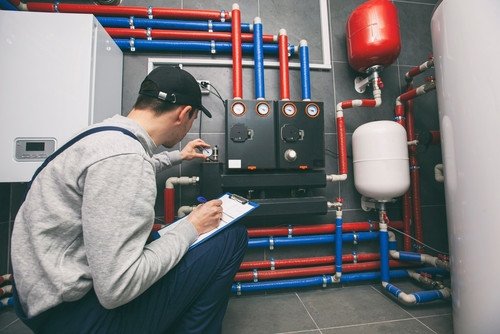
Poly B pipes are flexible, grey plastic pipes that were installed in millions of homes across North America, including Calgary.

Initially, Poly B plumbing was considered a great innovation due to its flexibility, ease of installation and low cost. However, over time, it became clear that Poly B pipes are prone to significant issues, particularly with long-term durability and reliability.

These issues have led to widespread concern and prompted many homeowners to replace their Poly B plumbing systems entirely.

Why Poly B Pipes Are a Problem

Poly B pipes may look like any other plumbing material, but the danger lies in their chemical makeup and how they react to various environmental factors. Over time, these pipes deteriorate, leading to leaks, water damage and, in some cases, catastrophic flooding. Below, we outline the primary reasons Poly B pipes are problematic for Calgary homeowners:

  1. Prone to Cracking and Leaking: One of the biggest concerns with Poly B plumbing is that it becomes brittle over time. Prolonged exposure to water pressure, heat and chemicals in the water supply causes the pipes to weaken, crack and develop leaks. Even a small crack can lead to significant water damage if not addressed quickly.
  2. Pinhole Leaks: Polybutylene (Poly B) piping, widely used in homes from the late 1970s to mid-1990s, is prone to pinhole leaks as it ages. These tiny leaks occur as the pipe’s plastic material deteriorates, often due to high chlorine levels in water. Over time, pinhole leaks can lead to water damage, mold and costly repairs, making Poly B a frequent target for replacement in aging homes.
  3. Reacts Poorly to Chlorine: Chlorine, which is commonly used to treat municipal water supplies, accelerates the deterioration of Poly B pipes. When exposed to chlorinated water over the years, Poly B pipes are more likely to break down, increasing the risk of sudden pipe failure.
  4. Fitting Failures: Poly B plumbing often uses plastic fittings to connect the pipes. Unfortunately, these fittings are prone to failure, leading to joint leaks and further compromising the system. In some cases, the metal fittings used with Poly B also suffer from corrosion, compounding the problem.
  5. Potential for Flooding: As Poly B pipes age, they become increasingly prone to sudden bursts or leaks. A burst pipe can cause severe water damage to your home, affecting walls, floors and valuable personal belongings. The cost of repairing flood damage can far exceed the cost of replacing Poly B pipes.
  6. Insurance Challenges: Due to the high risk associated with Poly B plumbing, many insurance companies are now hesitant to provide coverage for homes that still have these pipes. In some cases, insurers may refuse coverage altogether or increase premiums if Poly B pipes are present. This can be a major concern for homeowners trying to protect their investments.

Poly B Piping in Calgary Homes

While Poly B plumbing was used extensively in homes throughout North America, its use was particularly common in Calgary’s residential construction during the 1980s and 1990s.

Many homes in the city still have Poly B pipes in place, which poses a significant risk to homeowners. Calgary’s cold winters and fluctuating temperatures can exacerbate the problems with Poly B plumbing.

The pipes are more likely to become brittle and crack in the extreme cold, while the municipal water supply’s chlorine content further accelerates pipe deterioration. This combination of factors makes Poly B plumbing an especially urgent concern for Calgary homeowners.

What Should You Do If You Have Poly B Pipes?

If your home still has Poly B plumbing, it’s essential to take action before a leak or pipe burst occurs. Here’s what we recommend as Calgary’s trusted plumbers:

  1. Get an Inspection: The first step is to have your plumbing system inspected by a professional. At Aquality Plumbing & Heating, we can assess the condition of your Poly B pipes and determine whether they are at risk of failure. Our team can provide a detailed evaluation, helping you make informed decisions about your plumbing.
  2. Plan for Replacement: In most cases, the best course of action is to replace Poly B pipes before they cause significant damage. While replacement may seem like a big investment, it’s far more cost effective than dealing with the aftermath of a major leak or flood. We can help you plan a replacement project that suits your budget and timeline, ensuring your home is protected from water damage.
  3. Consider Partial or Full Replacement: Depending on the condition of your Poly B plumbing, you may be able to start with a partial replacement, focusing on the most vulnerable areas. However, if the entire system is at risk, a full replacement is the safest option. We’ll work with you to determine the best approach for your home.
  4. Switch to PEX or Copper: When replacing Poly B plumbing, we recommend upgrading to either PEX or copper pipes. PEX (cross-linked polyethylene) is a durable, flexible and cost-effective option that is resistant to both chlorine and temperature changes. Copper pipes are also an excellent choice for longevity and reliability. Our team will help you select the right material for your home.
  5. Stay Proactive: Even if your Poly B pipes aren’t showing signs of failure yet, staying proactive is key. Regular inspections and routine maintenance can help identify problems before they escalate. At Aquality Plumbing & Heating, we offer ongoing maintenance services to ensure that your plumbing system remains in top condition.

Why Trust Aquality Plumbing & Heating for Your Poly B Piping and Poly B Plumbing Replacement?

Dangers of Poly B Pipes and Poly B Plumbing in Calgary What You Need to KnowAt Aquality Plumbing & Heating, we’ve helped countless homeowners in Calgary successfully navigate the challenges of Poly B plumbing.

Our team is experienced in Poly B replacement, and we know the unique risks that Calgary’s weather and water supply pose to these systems. Here’s why you can trust us to handle your Poly B replacement project:

  • Expertise: Our plumbers are highly skilled in replacing Poly B systems and use only the best materials for long-lasting solutions.
  • Quality Workmanship: We take pride in delivering high-quality workmanship on every job. Whether it’s a partial replacement or a full system upgrade, you can count on us to do the job right the first time.
  • Customer-Focused: We work closely with our clients to ensure that their needs and concerns are addressed throughout the process. We’ll guide you through every step, from inspection to completion, so you can feel confident in your decision to replace your Poly B pipes.

Conclusion

Poly B plumbing presents a significant risk to Calgary homeowners, and delaying action could lead to costly repairs and potential insurance headaches.

At Aquality Plumbing & Heating, we’re here to help you assess, replace and protect your home from the dangers of Poly B pipes.

If you suspect your home has Poly B plumbing or want to learn more about the replacement process, contact us today. Together, we can ensure your home’s plumbing system is safe, reliable, and built to last.

Tips From Your Favourite Calgary Plumbers on Hot Water Tank Repair

Tips From Your Favourite Calgary Plumbers on Hot Water Tank Repair

At Aquality Plumbing & Heating, we understand that your hot water tank is one of the most essential appliances in your home. Whether it’s for a hot shower, doing laundry or washing dishes, we rely on our water heaters daily.

But like any other appliance, hot water tanks can experience wear and tear over time, leading to issues that need immediate attention. When problems arise, it’s important to know what to do before things get worse.

As your trusted team, we’ve compiled our top tips to help you identify, troubleshoot and manage common hot water tank problems.

Signs Your Hot Water Tank Needs Repair

Tips From Your Favourite Calgary Plumbers on Hot Water Tank RepairBefore diving into repair tips, it’s crucial to recognize the signs that your hot water tank might be in trouble. Some issues are easy to spot, while others can go unnoticed until it’s too late. By identifying these early warning signs, you can avoid bigger and more costly problems down the road.
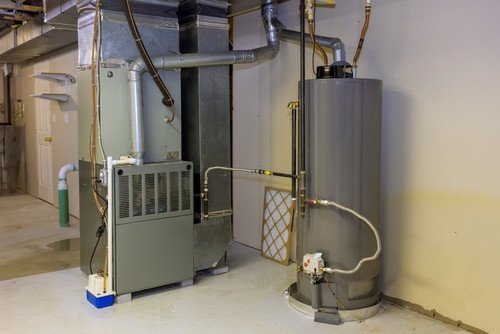
  1. Lack of Hot Water: This is the most obvious sign that your hot water tank is failing. If you suddenly find yourself running out of hot water or the water never gets warm enough, there may be an issue with the heating element, thermostat or sediment buildup in the tank.
  2. Leaking Water: Water pooling around your hot water tank is a clear indication of a leak. Leaks can stem from a variety of causes, such as corrosion, a damaged pressure relief valve or loose connections. Any sign of a leak should be addressed immediately to prevent further water damage to your home.
  3. Strange Noises: If you hear rumbling, banging or popping noises coming from your hot water tank, it’s usually due to sediment buildup at the bottom of the tank. When sediment accumulates, it causes the tank to overheat, leading to these unsettling sounds. Ignoring these noises can result in damage to your tank and a decrease in its efficiency.
  4. Discolored or Smelly Water: Rusty or brownish water coming from your hot water taps is a sign of corrosion, either in the tank or the pipes. Additionally, if your hot water has a foul odour (often smelling like rotten eggs), this could indicate bacterial growth in the tank. Both issues need to be addressed promptly to prevent further complications.
  5. Fluctuating Water Temperatures: Inconsistent water temperatures could point to a malfunctioning thermostat, heating element or even electrical issues in your hot water tank. If the water is scalding hot one minute and lukewarm the next, it’s time to have your tank inspected by a professional.

Common Hot Water Tank Repairs

If you’ve noticed any of the signs mentioned above, it’s time to act. Some hot water tank problems are simple enough for homeowners to troubleshoot, while others require the expertise of a professional plumber. Below are some of the most common repairs we handle:

  1. Replacing the Heating Element: If your water isn’t getting hot enough, it’s often due to a faulty heating element. The heating element is responsible for warming the water in your tank, and over time, it can wear out or become coated with mineral deposits. Replacing the heating element can restore your tank’s heating capacity.
  2. Flushing the Tank: Sediment buildup is a common cause of noise and inefficiency in hot water tanks. Flushing your tank once or twice a year can help prevent this problem. To flush the tank, we drain the water, remove sediment and refill it with fresh water. This simple maintenance task can extend the life of your water heater and improve its performance.
  3. Fixing Leaks: A leaking water tank can cause significant damage to your home if not repaired quickly. The first step is identifying the source of the leak. If it’s coming from the pressure relief valve or a connection, a simple tightening or replacement may solve the problem. If the leak is caused by corrosion or damage to the tank itself, you may need a replacement unit.
  4. Replacing the Thermostat: Fluctuating water temperatures are often the result of a malfunctioning thermostat. If the thermostat is not working correctly, it can’t accurately regulate the temperature of the water, leading to inconsistent heating. Replacing the thermostat is a straightforward repair that can restore proper temperature control.
  5. Addressing Corrosion: If you notice rust-coloured water, it may indicate corrosion inside the tank. This is especially common in older units that have been in service for many years. While minor corrosion can sometimes be managed, extensive rust often means that the tank needs to be replaced to avoid a potential failure.

When to Call the Pros

While some minor hot water tank issues can be handled with basic DIY fixes, other problems require the expertise of a qualified plumber. Here are some situations when you should call us at Aquality Plumbing & Heating:

  1. Major Leaks: If the tank itself is leaking, a repair is often not possible and you may need a replacement. Large leaks can cause significant water damage, so it’s best to call a professional right away.
  2. No Hot Water: If your water heater suddenly stops producing hot water, it could be due to electrical or gas supply issues, which are best left to professionals. Diagnosing and fixing these types of problems requires specialized knowledge and equipment.
  3. Frequent Repairs: If your water heater is more than 10-12 years old and constantly needs repairs, it may be time to consider replacing it. A new, energy-efficient model will save you money on repairs and lower your energy bills over time.
  4. Electrical Issues: Hot water tanks rely on electrical components like thermostats and heating elements. If you’re experiencing electrical issues, it’s important to avoid DIY repairs, as they can be dangerous without the proper knowledge and tools.

Preventative Maintenance for Your Hot Water Tank

Tips From Your Favourite Calgary Plumbers on Hot Water Tank RepairAs your trusted team, we recommend regular maintenance to keep your hot water tank in good working order. Here are some of our top maintenance tips:
  1. Annual Inspections: Schedule an annual inspection with a professional plumber to check for any issues and ensure your tank is running efficiently.
  2. Flush the Tank: As mentioned earlier, flushing your tank annually will prevent sediment buildup and prolong the life of your water heater.
  3. Check the Pressure Relief Valve: The pressure relief valve is a safety feature that prevents excessive pressure buildup in your tank. Test the valve annually to ensure it’s functioning properly.
  4. Monitor the Anode Rod: The anode rod prevents corrosion inside the tank. Over time, it wears down and needs to be replaced. Have a plumber check the rod every few years to ensure it’s in good condition.

Conclusion

At Aquality Plumbing & Heating, we’re dedicated to helping homeowners in Calgary maintain their hot water tanks and avoid unexpected breakdowns.

If you’re experiencing any issues with your water heater or want to schedule a routine inspection, our experienced team is here to help. With regular maintenance and timely repairs, we can keep your hot water tank running smoothly for years to come.

For more information or to schedule an appointment with one of our experts, contact us today!

How to Choose the Right Plumbing Service for Your Home

How to Choose the Right Plumbing Service for Your Home

At Aquality Plumbing & Heating, with over 20 years of experience, we understand how important it is to choose the right Plumbing service for your home. Plumbing issues can range from minor inconveniences, such as a slow drain, to major emergencies like a burst pipe or a malfunctioning water heater.

When problems arise, you want to ensure that you’re working with a professional, reliable and trustworthy Local Plumbing Company. But with so many options out there, how do you know which service is the right fit for your home?

In this blog, we will explore key factors to consider when selecting the best Plumbing service for your needs. With these insights, you can feel confident that you’re choosing a Plumbing company that will provide quality work and excellent customer service.

Choose a Local Plumbing Company

How to Choose the Right Plumbing Service for Your HomeWhen it comes to plumbing, local expertise matters. A Local Plumbing Company not only knows the area but also understands common Plumbing issues in your region. Local plumbers are familiar with the climate, water quality and local building codes, all of which can impact your home’s Plumbing system.
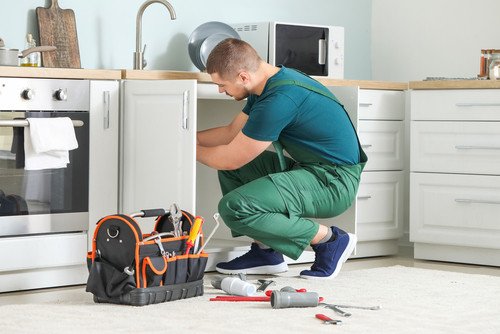
Working with a Local Plumbing Company means faster response times in case of emergencies and the peace of mind that comes with supporting businesses in your community.

At Aquality Plumbing & Heating, we take pride in being a part of our local community. Our team knows the ins and outs of the area and we are committed to providing the best service for our neighbours.

When you choose a Local Plumbing Company like ours, you’re not just getting a service provider—you’re getting a partner who genuinely cares about the well-being of your home.

Look for Licensing and Insurance

One of the most important factors when selecting a Plumbing service is ensuring that the company is fully licensed and insured.

A licensed plumber has undergone the necessary training and education to handle various Plumbing tasks, ensuring that the work is done correctly and safely. On the other hand, insurance protects you as a homeowner in the event of accidents, damages or injuries that may occur during the job.

At Aquality Plumbing & Heating, we’re proud to be a fully licensed and insured Plumbing service. This means that you can trust us to perform high-quality work that adheres to industry standards, while also having the assurance that you’re protected in case something goes wrong. When considering a Plumbing service, always ask about their licensing and insurance status—a sign of professionalism and accountability.

Experience and Expertise Matter

The experience level of a Plumbing company is another key factor to consider. A seasoned Plumbing service with years of experience has likely encountered a wide range of Plumbing issues and can quickly diagnose and fix problems.

Experienced plumbers know how to tackle complex challenges, avoid common mistakes and provide long-term solutions rather than temporary fixes.

Our team at Aquality Plumbing & Heating has years of hands-on experience in the Plumbing industry. We’ve seen it all, from routine maintenance to complex installations and repairs.

Our expertise allows us to handle any Plumbing issue with efficiency and precision. Whether it’s a leaky faucet or a complete Plumbing overhaul, we bring the knowledge and skills needed to get the job done right.

Ask About Services Offered

Not all Plumbing companies offer the same range of services. Some specialize in specific areas, such as repairs or installations, while others offer a full range of Plumbing services, including emergency repairs, routine maintenance and new installations. Before choosing a Plumbing service, make sure they offer the specific services you need.

At Aquality Plumbing & Heating, we provide a comprehensive list of services that cover all your Plumbing needs. From small repairs like fixing leaks and unclogging drains to larger projects like water heater installations and sewer line repairs, we have the experience and tools to handle it all.

We also offer routine maintenance services to keep your Plumbing system running smoothly and prevent future problems. When selecting a Plumbing company, choose one that can handle your current needs and any future Plumbing challenges that may arise.

Check Reviews and Testimonials

In today’s digital world, customer reviews and testimonials provide valuable insight into a Plumbing company’s reputation.

Reading reviews from other homeowners can give you an idea of the quality of work, customer service and reliability of a Plumbing service. Look for companies that have consistently positive feedback and satisfied customers.

At Aquality Plumbing & Heating, we’re proud of the reputation we have built through hard work and dedication to customer satisfaction. We encourage homeowners to read our reviews and hear directly from our clients about their positive experiences with us. Whether it’s a small job or a major project, we strive to exceed expectations and deliver exceptional service every time.

Compare Pricing and Get Estimates

While cost shouldn’t be the only factor in your decision, it’s important to choose a Plumbing service that offers fair and transparent pricing. Some Plumbing companies offer flat-rate pricing for certain jobs, while others charge by the hour. Always ask for an estimate before work begins so that you have a clear understanding of the costs involved. Be wary of companies that provide vague pricing or avoid giving you a written estimate.

At Aquality Plumbing & Heating, we believe in providing honest, upfront pricing for all our services. We’ll give you a clear and detailed estimate before we start any work, ensuring that there are no surprises along the way. Our goal is to provide quality service at a fair price, so you can feel confident that you’re getting the best value for your money.

Look for Emergency Plumbing Services

How to Choose the Right Plumbing Service for Your HomePlumbing emergencies don’t always happen during regular business hours. A burst pipe, water heater failure or major leak can occur at any time, often when it’s least convenient. When choosing a Plumbing service, it’s crucial to find one that offers 24/7 emergency services, so you know you can get help when you need it most.
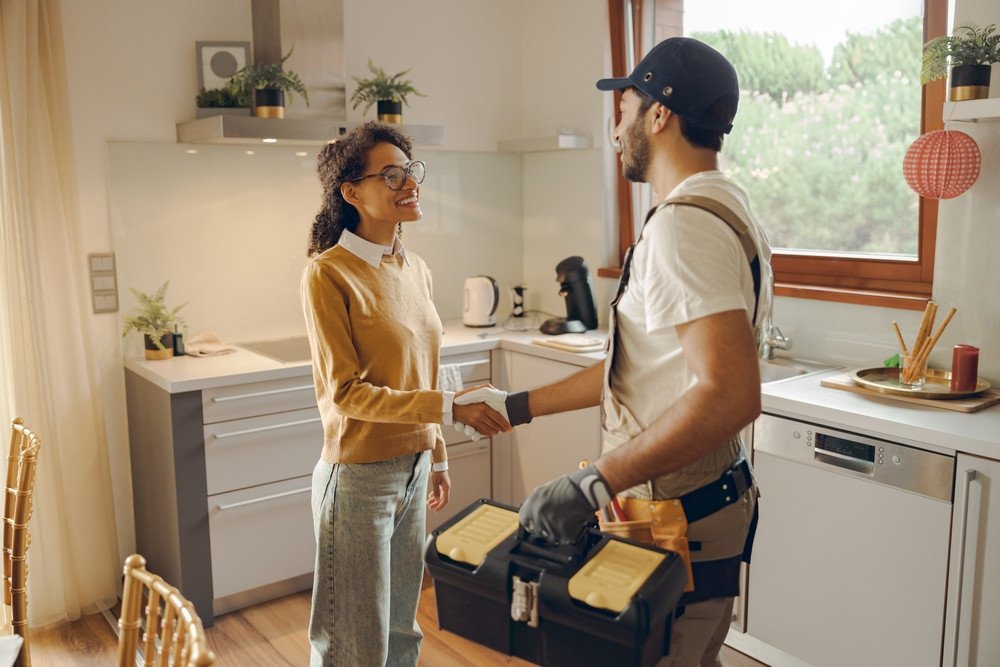
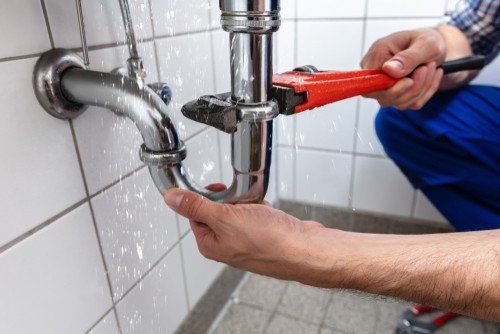
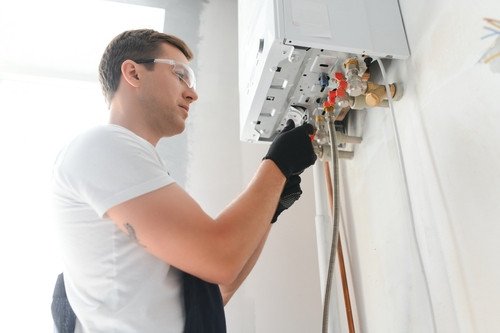
At Aquality Plumbing & Heating, we understand that Plumbing emergencies require immediate attention. That’s why we offer emergency Plumbing services around the clock. Whether it’s the middle of the night or a weekend, you can count on us to respond quickly and resolve the issue before it causes further damage to your home.

Communication and Professionalism

A good Plumbing service isn’t just about technical skills—it’s also about clear communication and professionalism. When you contact a Plumbing company, pay attention to how they handle your inquiries.

Are they friendly, prompt, and transparent? Do they explain the process and keep you informed about the progress of the work? These factors contribute to a positive customer experience.

At Aquality Plumbing & Heating, we prioritize communication and professionalism in every job we take on. From your initial consultation to the completion of the project, we will keep you informed every step of the way. Our team is dedicated to delivering excellent customer service and ensuring that your Plumbing needs are met with the highest level of care.

Conclusion: Choose Aquality Plumbing & Heating for Your Home’s Plumbing Needs

Choosing the right Plumbing service for your home doesn’t have to be a daunting task. By considering factors such as experience, licensing, services offered and customer reviews, you can make an informed decision that ensures your home’s Plumbing system is in good hands.

At Aquality Plumbing & Heating, we’re proud to be your Local Plumbing Company, offering a full range of Plumbing services backed by years of experience, professionalism and a commitment to customer satisfaction.

Whether you need routine maintenance, emergency repairs or a major Plumbing project, our team is here to help. Contact us today to learn more about how we can meet your Plumbing needs and keep your home’s Plumbing system running smoothly.

Common Household Plumbing Issues and How to Prevent Them

Common Household Plumbing Issues and How to Prevent Them

Household plumbing plays a vital role in keeping our homes running smoothly. Whether it’s providing fresh water for drinking, cooking and cleaning, or safely removing wastewater, a functioning plumbing system is essential.

However, many homeowners encounter common plumbing issues that can disrupt their daily lives. At Aquality Plumbing & Heating, we believe that understanding these plumbing issues and taking proactive steps through regular plumbing maintenance can save you from costly repairs in the future.

In this blog, we will discuss some of the most common household plumbing issues and offer tips on how to prevent them.

Common Household Plumbing Issues and How to Prevent Them

1. Clogged Drains

The Problem:

Clogged drains are one of the most frequent plumbing issues faced by homeowners. Kitchen sinks often suffer from food particles, grease and soap buildup, while bathroom drains can get clogged with hair, soap scum and debris. Over time, these materials can accumulate and block the flow of water, leading to slow drainage or even complete blockages.

Prevention:

To prevent clogged drains, it’s essential to adopt regular plumbing maintenance practices. Use drain strainers to catch hair, food particles and other debris. Avoid pouring grease, oil or coffee grounds down the kitchen sink, as they can solidify and form clogs. Regularly flush your drains with hot water to help break down any buildup or use a mixture of baking soda and vinegar for a natural cleaning solution. If you encounter recurring clogs, it may be a sign of a more serious plumbing issues that requires professional plumbing assistance.

2. Leaky Faucets

The Problem:

Leaky faucets are more than just an annoying drip—they can waste significant amounts of water and increase your utility bills. The constant dripping is usually caused by worn-out washers, gaskets or O-rings inside the faucet. Over time, these parts degrade due to friction and wear, leading to leaks.

Prevention:

Regular plumbing maintenance can help you avoid leaky faucets. Periodically check your faucets for signs of wear and tear, especially if you notice a drop in water pressure or hear odd sounds when the faucet is turned on. If you spot any leaks, address them promptly to avoid water waste and potential damage to surrounding fixtures. Replacing worn-out parts before they fail can extend the life of your faucet.

3. Running Toilets

The Problem:

A running toilet can waste a surprising amount of water—up to 200 gallons a day! This issue is often caused by a faulty flapper valve that doesn’t seal properly, allowing water to continuously flow from the tank to the bowl. In some cases, it could also be the result of a broken fill valve or a misaligned float.

Prevention:

To prevent running toilets, it’s crucial to check your toilet’s components periodically. Inspect the flapper valve for signs of wear or improper sealing. If it’s damaged, replacing it is an inexpensive and simple fix. You should also check the fill valve and float to ensure they are working correctly. Regular plumbing maintenance will keep your toilet functioning efficiently and help you avoid wasting water.

4. Low Water Pressure

The Problem:

Low water pressure can make simple tasks like showering and washing dishes a hassle. This issue is often caused by a buildup of sediment and mineral deposits in your pipes or on aerators in your faucets and showerheads. In some cases, it may indicate more serious plumbing issues, such as a leak or corrosion in your plumbing system.

Prevention:

Maintaining proper water pressure requires consistent plumbing upkeep. Clean your faucet aerators and showerheads regularly to remove any debris or mineral deposits. If the problem persists, it may be worth having a professional plumber inspect your pipes for leaks or corrosion. Regular plumbing maintenance can help you avoid long-term plumbing issues that lead to low water pressure.

Common Household Plumbing Issues and How to Prevent Them5. Water Heater Problems

The Problem:

Water heaters are essential for comfortable living, but they are prone to problems like insufficient hot water, strange noises and even leaks. Sediment buildup in the tank can reduce the efficiency of your water heater and lead to premature wear and tear.

Prevention:

To prevent water heater issues, it’s important to flush the tank at least once a year to remove sediment buildup. This simple plumbing maintenance task will keep your water heater functioning efficiently and prolong its lifespan. Additionally, inspect the pressure relief valve to ensure it’s working properly and avoid leaks or pressure buildup in the tank. If you notice any unusual sounds or a sudden lack of hot water, call a professional plumber to inspect and service your water heater.

6. Burst Pipes

The Problem:

Burst pipes are serious plumbing issues that can lead to extensive water damage in your home. Pipes can burst for several reasons, but the most common cause is freezing temperatures in the winter. When water freezes, it expands, putting pressure on your pipes and causing them to crack or burst.

Prevention:

Preventing burst pipes begins with good plumbing maintenance. During the colder months, insulate any exposed pipes, especially in unheated areas like basements, attics or garages. Allow a small drip of water to flow from faucets during freezing weather to prevent water from freezing inside the pipes. If you plan to be away from home during cold months, ensure your home’s heating system is set to at least 55 degrees Fahrenheit (12.77 degrees Celcius) to prevent pipes from freezing.

7. Sewer Line Backups

The Problem:

Sewer line backups are unpleasant and can pose health risks. These plumbing issues are typically caused by tree roots infiltrating the sewer line, grease buildup or foreign objects that block the pipes. When a sewer line backs up, wastewater can flood your home, causing significant damage.

Prevention:

To prevent sewer line backups, avoid flushing anything other than toilet paper down the toilet. Items like wipes, paper towels and feminine hygiene products can clog the sewer line. Schedule regular inspections and cleanings of your sewer lines as part of your overall plumbing maintenance routine. If your home is surrounded by trees, consider having your sewer line inspected for root intrusion, which can lead to costly repairs.

The Importance of Regular Plumbing Maintenance

Plumbing issues can be expensive and disruptive if left unaddressed, but regular plumbing maintenance can help prevent many common problems. At Aquality Plumbing & Heating, we recommend scheduling routine inspections to catch small plumbing issues before they escalate into costly repairs. Our experienced team can identify potential problems early, saving you time, money and stress.

By taking a proactive approach to household plumbing maintenance, you will not only ensure that your plumbing system functions efficiently but also extend the lifespan of your fixtures and appliances.

If you experience any plumbing issues or would like to schedule regular maintenance, do not hesitate to reach out to our team at Aquality Plumbing & Heating.