What Causes Poly B Piping to Degrade Over Time in Calgary Properties? For many Calgary homeowners, polybutylene piping (polybutylene) is a quiet concern hidden behind walls and under floors. Popular in homes built between the late 1970s and mid-1990s, polybutylene was once considered a breakthrough in plumbing. It was affordable, easy to install, and widely adopted throughout residential construction.
However, over time, Poly B piping has proven less reliable than initially thought. Many properties in Calgary now face the consequences of aging Poly B systems—leaks, water damage, and insurance complications.
As plumbing professionals serving the Calgary area, we’ve seen firsthand how Poly B piping can deteriorate and what steps homeowners can take to address the issue proactively.
Understanding What Is Poly B
Polybutylene piping is a type of plastic plumbing pipe that was marketed as a cost-effective alternative to copper. 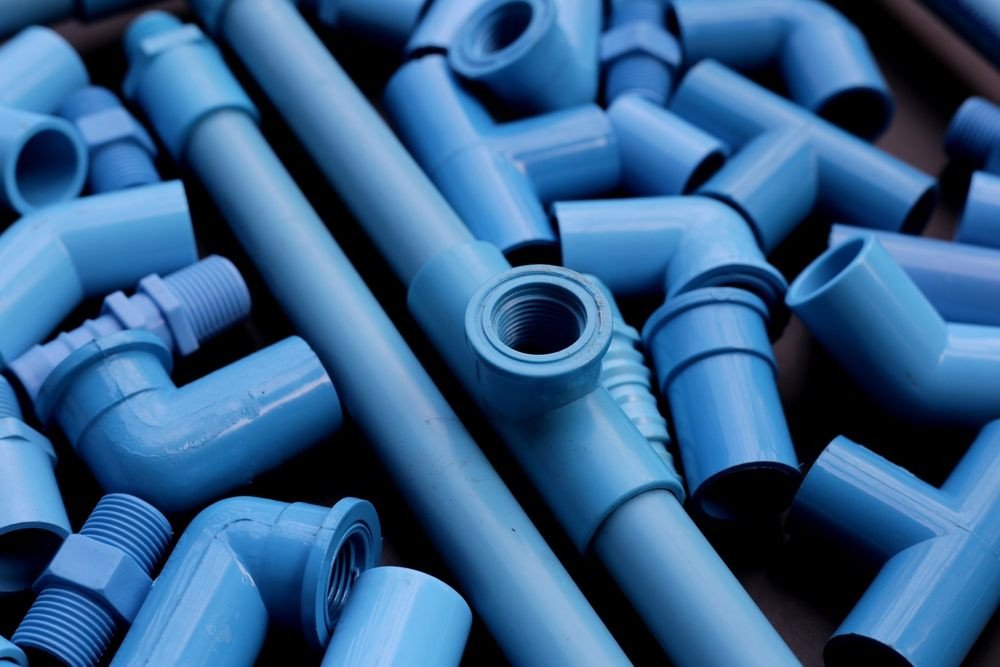 It was most commonly used for residential water supply lines. Its flexibility and ease of installation made it attractive to builders, especially during Calgary’s housing growth in the ’80s and ’90s.
Unfortunately, while Poly B piping performed well under ideal conditions in early testing, real-world use has revealed significant weaknesses, particularly in Calgary’s unique environment.
Why Poly B Piping Degrades Over Time
Several factors contribute to the degradation of Poly B piping, particularly in Calgary homes:
Chlorine in Municipal Water
One of the most well-documented causes of Poly B failure is chlorine. Calgary’s municipal water contains chlorine as a disinfectant, which is necessary for public health but problematic for Poly B.
Over time, chlorine reacts with the pipe’s inner surface, weakening the plastic and making it more brittle. This degradation can eventually lead to cracks, leaks, or sudden pipe bursts.
While all homes on municipal water have some level of exposure to chlorine, Poly B is uniquely vulnerable to its long-term effects. The higher the chlorine concentration, the faster the degradation process.
High Water Pressure
Calgary homes, especially in specific neighborhoods, may experience high water pressure, which stresses all plumbing materials. Poly B is less resistant to pressure fluctuations than copper or PEX. Over time, high pressure causes increased wear and can contribute to pipe fatigue.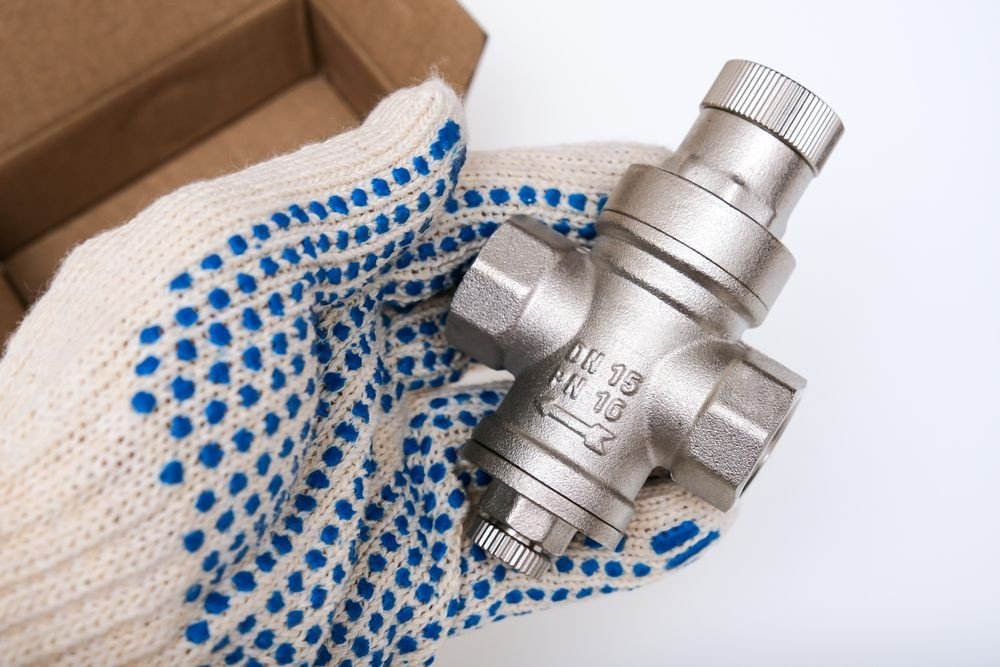
We often recommend homeowners install a pressure-reducing valve if their pressure readings exceed 80 psi. This simple measure can extend the life of any plumbing system and is particularly critical if Poly B is still present.
Poor Installation Practices
When Poly B was commonly installed, proper training and consistent guidelines were sometimes lacking. We’ve seen many homes where the pipe was bent too sharply, improperly secured, or connected with incompatible fittings.
These installation flaws often go unnoticed until they result in failures years later. In some cases, aluminum or plastic fittings were used instead of more reliable copper or brass connections, which can become weak points prone to leaking.
Freezing Temperatures and Thermal Expansion
Calgary’s winter climate poses another risk to Poly B systems. The pipes can be more susceptible to freezing than other materials, especially in poorly insulated or unheated areas like basements, garages, and crawl spaces. Freeze-thaw cycles can cause expansion and contraction, which leads to cracking.
Additionally, thermal expansion due to hot water usage can cause wear at joints or stress at bends over time, especially if the system wasn’t installed with enough slack or flexibility.
UV Exposure
Poly B piping degrades rapidly when exposed to UV light. Although it’s typically installed inside walls or under floors, we’ve encountered cases where sections were exposed to sunlight, particularly in basements with above-grade windows or outdoor utility areas.
Even limited UV exposure can accelerate breakdown, leading to leaks or failures years sooner than expected.
How We Help Calgary Homeowners Deal with Poly B
At Aquality Plumbing & Heating, we’ve helped many local homeowners assess and replace Poly B piping before problems arise. Our first step is always a thorough inspection. We look for wear, discoloration, or stress on the pipe and fittings.
We often recommend proactive replacement in homes with known Poly B installations, especially if leaks or insurance restrictions exist. Replacing Poly B with modern materials like PEX or copper improves reliability, reduces the risk of water damage, and can even increase the value of your home.
Many insurance providers in Calgary are now unwilling to cover homes with active Poly B plumbing, or they impose higher premiums due to the known risks. Upgrading your system may open doors to better coverage.
Don’t Wait for a Leak
The biggest challenge with Poly B is that it can fail without much warning. What looks like a perfectly intact system could be hiding weak points, ready to fail under pressure. Calgary’s water composition and climate only accelerate this risk.
If you suspect your home has Poly B piping or are unsure what type of plumbing you have, we encourage you to contact us. We’ll help you identify the piping material, assess its condition, and plan a solution that protects your home and peace of mind.
At Aquality Plumbing & Heating, we take pride in helping Calgary families maintain safe, reliable plumbing systems. Let’s take the worry out of Poly B—before it becomes a costly emergency.