How Does Poly B Plumbing Compare to Other Piping Materials? Polybutylene plumbing—commonly known as Poly B—was once hailed as a revolutionary material for residential construction. Installed in millions of homes across North America between the late 1970s and mid-1990s, Poly B plumbing was marketed as an affordable and flexible alternative to traditional copper piping.
However, time has revealed some significant drawbacks, prompting many Calgary homeowners to reevaluate their place in their plumbing systems.
At Aquality Plumbing & Heating, we frequently assist clients with Poly B inspections, replacements, and upgrades. Understanding how Poly B plumbing compares to other piping materials is essential for making informed decisions about your home’s plumbing health. Let’s examine the differences between Poly B and modern piping options and explore why switching might be worth considering.
What Is Poly B Plumbing?
Poly B is a type of plastic pipe made from polybutylene resin. It was introduced as a cost-effective, easy-to-install alternative to copper. Installers appreciated its lightweight nature and lack of soldering. Poly B plumbing was used primarily for hot and cold water distribution inside homes.
However, many Poly B systems began to fail after a couple of decades, often without warning. Leaks developed at fittings, around bends and in long straight runs.
Over time, Poly B plumbing earned a reputation for being unreliable, especially when exposed to high chlorine levels and water temperature variations, common in municipal water supplies like Calgary’s.
Why Does Poly B Fail In Calgary?
The main issues with Poly B relate to its chemical and thermal sensitivities. Chlorinated water, exposure to UV light and improper installation practices (such as using metal fittings that cause corrosion) have all contributed to system failures.
Poly B also becomes brittle over time, making it more prone to cracking under pressure. These risks are significant enough for many home insurance providers to flag homes with Poly B plumbing.
Some companies charge higher premiums or refuse coverage until the piping is replaced with a more modern material.
How Does Poly B Compare to Other Piping Materials?
Let’s break down how Poly B stacks up against other common materials used today in residential plumbing:
PEX (Cross-linked Polyethylene)
PEX is often the top choice for replacing Poly B. It’s also a plastic-based pipe, but its cross-linked molecular structure makes it far more durable and temperature-resistant. 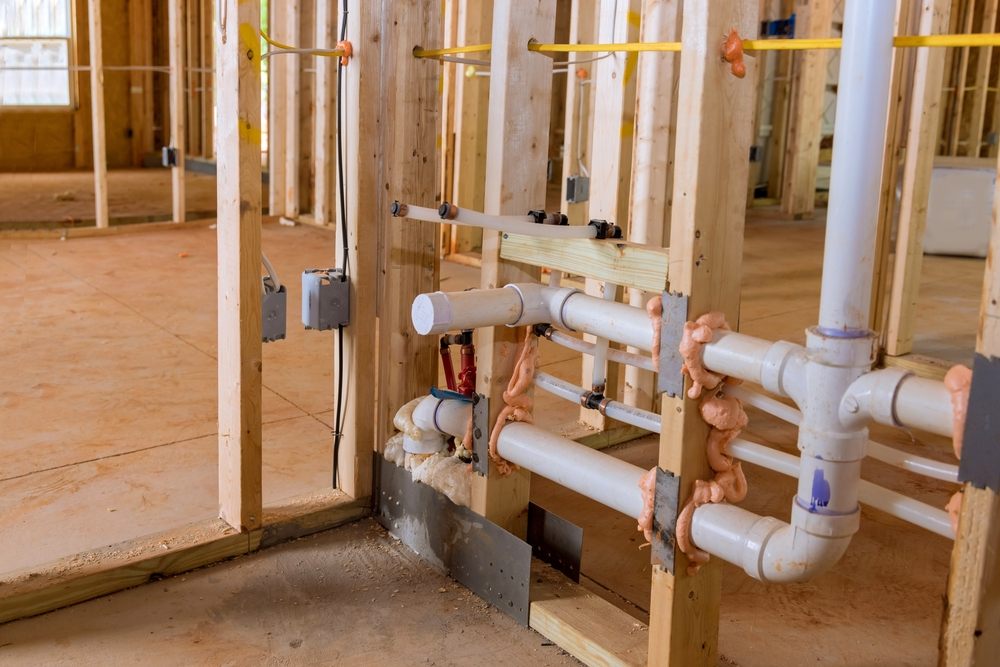
PEX resists chlorine degradation and holds up well in Calgary’s cold climate. It’s flexible, easy to install, and can be used in tight spaces without requiring many fittings.
Unlike Poly B, PEX has a long track record of reliability and is approved by building codes across Canada. It’s available in several grades, including PEX-A, PEX-B and PEX-C, with PEX-A being the most flexible and kink-resistant.
At Aquality Plumbing & Heating, we frequently recommend installing PEX piping when replacing Poly B because of its versatility, proven longevity, and compatibility with modern plumbing fixtures.
Copper
Copper is a classic piping material known for its strength, longevity and ability to withstand high water pressure. It doesn’t degrade with chlorine and is resistant to bacterial growth.
However, copper can be expensive and more labor-intensive to install. It also requires soldering and specialized tools, making the process more time-consuming than PEX.
Copper is susceptible to freezing and bursting in cold climates if not properly insulated. While still a solid choice, many homeowners opt for PEX due to its lower cost and flexibility.
CPVC (Chlorinated Polyvinyl Chloride)
CPVC is another plastic piping option commonly used for hot and cold water lines. It is resistant to heat and chlorine but more rigid than PEX. That rigidity can make installation harder, and it’s not as forgiving of expansion and contraction from temperature swings.
While CPVC is used in some homes, PEX is a more flexible and adaptable solution, especially when upgrading from Poly B.
Is It Time to Replace Poly B in Your Calgary Home?
If your home was built between 1978 and 1998, it may contain Poly B plumbing. Even if your system hasn’t leaked yet, it could be a ticking time bomb.
The cost of replacing a Poly B system may seem like a major investment, but the potential for sudden failures, water damage, and insurance issues often makes proactive replacement the smarter move.
We perform detailed inspections to determine the extent of Poly B in your home. We’ll walk you through your options and provide a clear plan for replacement using high-quality, code-compliant materials like PEX or copper, depending on your needs and budget.
Why Trust Aquality Plumbing & Heating for Poly B Replacement?
We’ve worked with homeowners across Calgary for years, providing trusted plumbing solutions tailored to each home’s unique needs. Our team is licensed, experienced and committed to getting the job done right the first time.
We understand the challenges of upgrading plumbing in existing homes and offer clean, efficient service with minimal disruption to your daily life. Whether you’re replacing Poly B in preparation for selling your home or want to avoid future headaches, we’re here to help.
Let’s Talk About Your Calgary Plumbing
If you’re concerned about Poly B plumbing in your home or just want a professional opinion, contact our team. We’re always happy to offer guidance and help you take the next step toward a safer, more efficient plumbing system.
At Aquality Plumbing & Heating, we believe every homeowner deserves peace of mind, starting with the pipes behind their walls.