Hard water is a common issue that affects many homes, but it’s not always easy to recognize. Unlike water quality problems that are immediately obvious, such as discoloration or an unpleasant taste, the effects of hard water are more subtle but just as damaging in the long run.
You might have hard water if your plumbing system suffers from frequent clogs, mineral buildup, or reduced water flow. In this blog, we’ll explore how it affects plumbing systems and what steps you can take to prevent or address the issue.
What is Hard Water?
Hard water contains high dissolved minerals, primarily calcium and magnesium. 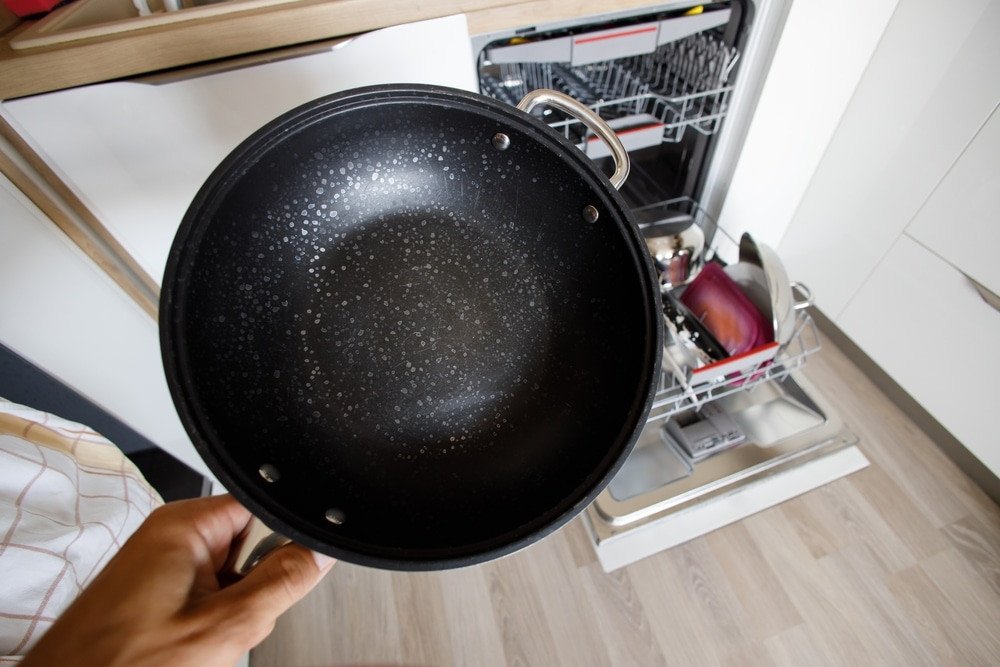 These minerals are naturally found in the earth’s crust and enter your water supply as it moves through rocks and soil. While it does not harm your health, it can cause several issues within your plumbing system and appliances.
It is typically measured by the level of minerals it contains, often in grains per gallon (GPG). Water with a 7 GPG or higher hardness level is considered hard water.
If you have noticed that your water leaves spots on your dishes, has a cloudy appearance, or feels slippery or filmy on your skin, it may be a sign of hard water.
How Hard Water Affects Your Plumbing System
While hard water may seem like a minor inconvenience at first, it can cause significant damage to your plumbing system over time. Here are some common ways it affects your pipes, fixtures, and appliances.
Mineral Buildup in Pipes
As hard water flows through your plumbing system, the minerals it contains can accumulate on your pipes’ interior surfaces. This buildup, known as scale, can create blockages and restrict water flow.
Over time, scale buildup can lead to clogs, reduced water pressure, and even pipe corrosion, which may result in leaks or pipe failure. If your water pressure has noticeably decreased, mineral buildup inside your pipes could be the cause.
Clogged Faucets and Showerheads
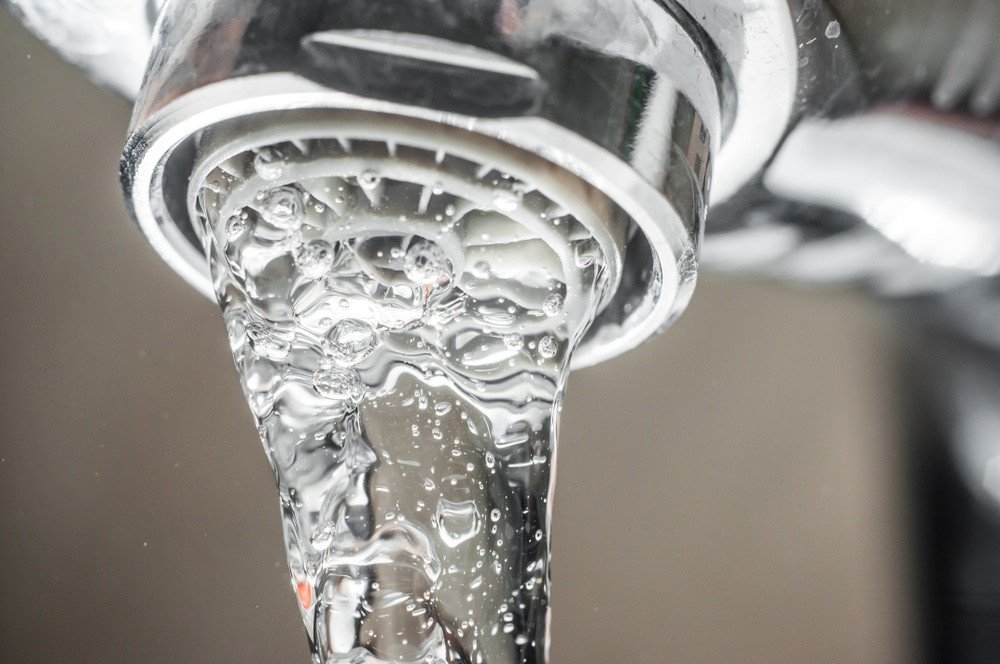
Hard water can cause the same mineral buildup on your faucets, showerheads, and other plumbing fixtures. As the minerals deposit on these surfaces, they can clog the small holes in your faucets and showerheads, making it difficult for water to flow properly.
If you notice that your faucets or showerheads are not producing water as efficiently as they used to or that your showers take longer to warm up, this may be a sign that it is affecting your plumbing.
Damage to Appliances
Hard water doesn’t just affect pipes and fixtures—it can also damage household appliances that use water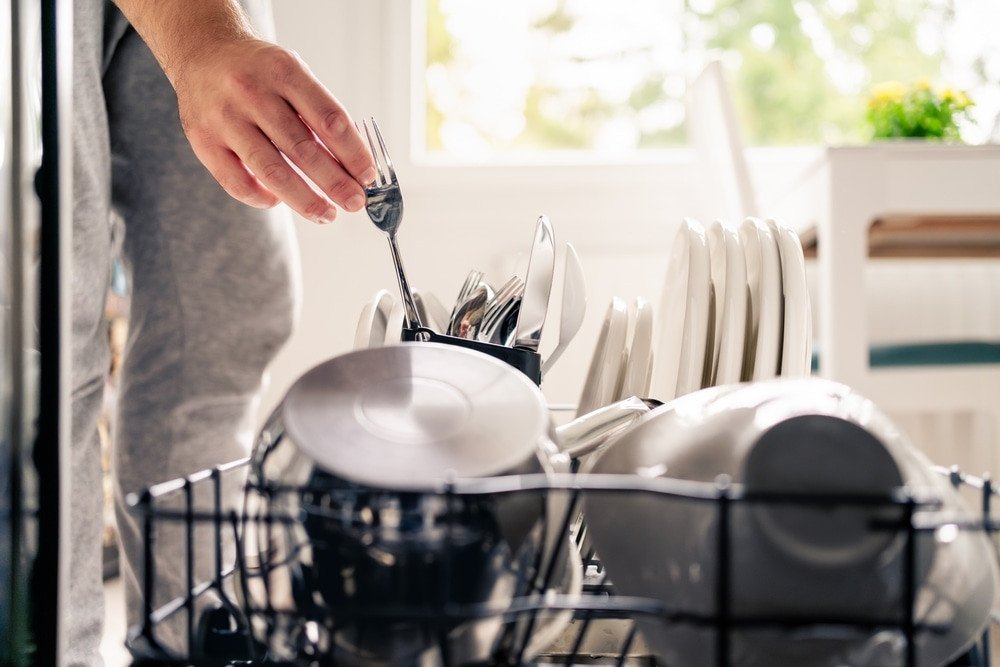 , such as dishwashers, washing machines, and water heaters. The minerals in it can build up inside these appliances, reducing their efficiency and lifespan.
For example, scale buildup in water heaters can create hot spots that cause the system to overheat, leading to premature wear and tear. Similarly, hard water in dishwashers and washing machines can lead to inefficient cleaning, soap scum buildup, and even damage to clothing and dishes.
Soap Scum and Stains
Hard water may be the culprit if you’ve noticed white spots or stains on your dishes, glasses, or shower doors. When soap mixes with hard water, it reacts with the minerals and forms soap scum, which can leave residue on your skin, clothing, and appliances.
This residue can also leave unsightly water stains on your sinks, bathtubs, and tiles, making cleaning more difficult.
What to Do About Hard Water
Now that you understand how hard water can affect your plumbing system, it’s important to know what you can do to prevent or address the issue. Here are some of the most effective solutions for managing it in your home.
Install a Water Softener
Installing a water softener is the most common and effective treatment for hard water. A water softener is a device that uses ion exchange to remove calcium and magnesium from the water.
It replaces these minerals with sodium or potassium, effectively “softening” the water. Softened water can prevent mineral buildup in your pipes, appliances, and fixtures, as well as reduce the occurrence of soap scum and stains.
A water softener can be installed when water enters your home, ensuring that all the water in your plumbing system is softened. Alternatively, you can opt for point-of-use softeners for specific appliances, such as dishwashers or water heaters.
Descaling Products for Existing Buildup
If you’re already experiencing scale buildup in your pipes, faucets, or appliances, descaling products can help remove the mineral deposits. These products are typically poured into your plumbing system or appliances to dissolve the scale and restore proper function.
While descaling products can help alleviate the symptoms of hard water, they are not a permanent solution, and installing a water softener is still recommended for long-term prevention.
Regular Plumbing Maintenance
Regular maintenance is key to ensuring your plumbing system remains in good condition. If you suspect hard water is affecting your pipes or fixtures, it’s important to schedule regular inspections with a professional plumber.
A plumbing technician can assess the condition of your system, clean your pipes, and check for any signs of damage caused by mineral buildup. Routine maintenance can help catch any problems early, preventing costly repairs.
Switch to a Filtration System for Appliances
In addition to water softeners, filtration systems are available for appliances like dishwashers, washing machines, and water heaters.
These systems can help prevent scale buildup and protect appliances from the damaging effects of hard water. Installing filtration systems for specific appliances can prolong their lifespan and improve their performance.
Conclusion
While hard water may not pose a health risk, it can significantly impact your plumbing system, appliances, and overall water quality. From mineral buildup in pipes to damage to household appliances, the effects of hard water can be costly if left untreated.
Fortunately, effective solutions, such as water softeners and regular maintenance, can help protect your home and plumbing system from the damaging effects of hard water.
Suppose you suspect hard water is affecting your plumbing. In that case, our experienced technicians can help you assess your water quality, recommend the best solutions for your home, and ensure your plumbing system stays in top shape. Contact us today for an inspection or consultation, and let us help you tackle hard water problems head-on.