Polybutylene (Poly-B) plumbing was once a popular choice for residential water supply systems due to its affordability and ease of installation. However, as time has passed, this material has raised significant concerns for homeowners.
If your home still has Poly-B plumbing, you might wonder about the risks and what steps to take next. As experienced Calgary plumbers, we’re here to help you understand what Poly-B plumbing is and whether you should be concerned.
What Is Poly-B Plumbing?
 Polybutylene (Poly-B) plumbing was widely used in homes built between the late 1970s and the mid-1990s. This gray or light-blue piping was marketed as a cost-effective alternative to copper. It was used extensively in water supply lines and, at the time, seemed like a revolutionary solution.
Why Has Poly-B Plumbing Become a Concern?
While Poly-B was a popular choice for years, its shortcomings became evident over time. Here are some reasons why Poly-B plumbing has been banned and is no longer allowed to be used for any application beyond transitioning to an alternate pipe:
1. Susceptibility to Failure
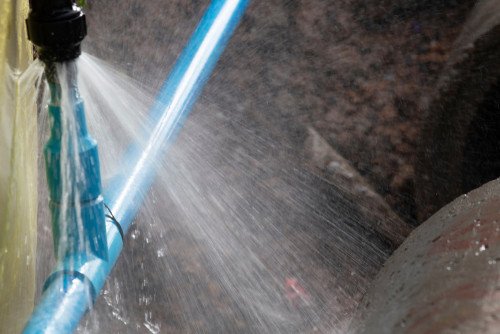
As Polybutylene (Poly B) piping ages, it becomes prone to pinhole leaks. These leaks are usually caused by the gradual breakdown of the plastic. If not addressed, pinhole leaks can lead to water damage, mold, and costly repairs, making Poly B a frequent choice for replacement in older homes.
2. Potential Water Damage
Leaks from Poly-B pipes can lead to water damage, mold growth, and costly repairs. Because these issues often develop over time, the damage may not be immediately visible, resulting in hidden problems that worsen over the years.
3. Insurance Challenges
Many insurance companies now refuse to cover homes with Poly-B plumbing or require higher premiums. If you’re considering selling your home, the presence of Poly-B may also deter potential buyers or lower your property value.
How to Know If Your Home Has Poly-B Plumbing
Poly-B pipes are typically gray, blue, or black and often have “PB” or “Polybutylene” printed on them. If your home was built between the 1970s and 1990s, it’s worth checking your plumbing system for these pipes. Common areas to look at include:
- Under sinks
- In basements or crawlspaces
- Near the water heater
- Around exposed water lines
Not sure what to look for? We can help. As Calgary plumbers, we have extensive experience identifying Poly-B plumbing and assessing its condition.
Should You Be Worried?
If your home has Poly-B plumbing, it’s important to take action. While not every Poly-B system will fail immediately, the risks increase as the pipes age. Here’s what we recommend:
1. Schedule an Inspection
We can assess your plumbing system and identify any immediate risks. Early detection of potential issues can save you from costly water damage down the line.
2. Consider Replacement
The most effective way to eliminate the risks associated with Poly-B is to replace it with modern piping materials like PEX or copper. While this may seem like a significant investment, it provides long-term peace of mind and can even increase your home’s value.
3. Be Proactive
Even if you’re not ready to replace your pipes, staying vigilant for signs of leaks, discoloration, or low water pressure is crucial. Regular maintenance and monitoring can help you avoid sudden failures.
Why Choose Us for Poly-B Replacement?
 As trusted Calgary plumbers, we specialize in identifying and replacing Poly-B plumbing systems. We understand the challenges posed by aging Poly-B pipes and have the expertise to provide reliable, efficient solutions tailored to your home’s needs. Whether you’re looking for a full replacement or need advice on your existing system, we’re here to help.
Take Control of Your Plumbing Today
Don’t wait for a pipe to burst before addressing Poly-B plumbing concerns. If you suspect your home has Poly-B or if you want to ensure your plumbing system is up to date, contact us today. Let us help you protect your home and provide the peace of mind you deserve.