At Aquality Plumbing & Heating, we understand that your hot water tank is one of the most essential appliances in your home. Whether it’s for a hot shower, doing laundry or washing dishes, we rely on our water heaters daily.
But like any other appliance, hot water tanks can experience wear and tear over time, leading to issues that need immediate attention. When problems arise, it’s important to know what to do before things get worse.
As your trusted team, we’ve compiled our top tips to help you identify, troubleshoot and manage common hot water tank problems.
Signs Your Hot Water Tank Needs Repair
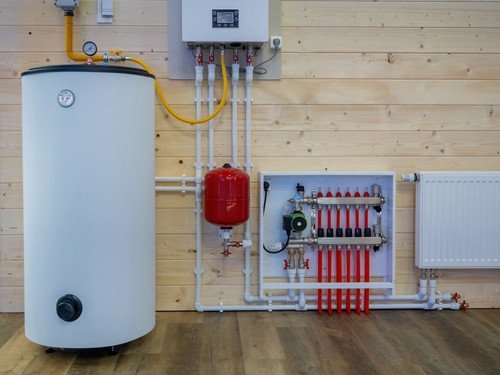 Before diving into repair tips, it’s crucial to recognize the signs that your hot water tank might be in trouble. Some issues are easy to spot, while others can go unnoticed until it’s too late. By identifying these early warning signs, you can avoid bigger and more costly problems down the road.
- Lack of Hot Water: This is the most obvious sign that your hot water tank is failing. If you suddenly find yourself running out of hot water or the water never gets warm enough, there may be an issue with the heating element, thermostat or sediment buildup in the tank.
- Leaking Water: Water pooling around your hot water tank is a clear indication of a leak. Leaks can stem from a variety of causes, such as corrosion, a damaged pressure relief valve or loose connections. Any sign of a leak should be addressed immediately to prevent further water damage to your home.
- Strange Noises: If you hear rumbling, banging or popping noises coming from your hot water tank, it’s usually due to sediment buildup at the bottom of the tank. When sediment accumulates, it causes the tank to overheat, leading to these unsettling sounds. Ignoring these noises can result in damage to your tank and a decrease in its efficiency.
- Discolored or Smelly Water: Rusty or brownish water coming from your hot water taps is a sign of corrosion, either in the tank or the pipes. Additionally, if your hot water has a foul odour (often smelling like rotten eggs), this could indicate bacterial growth in the tank. Both issues need to be addressed promptly to prevent further complications.
- Fluctuating Water Temperatures: Inconsistent water temperatures could point to a malfunctioning thermostat, heating element or even electrical issues in your hot water tank. If the water is scalding hot one minute and lukewarm the next, it’s time to have your tank inspected by a professional.
Common Hot Water Tank Repairs
If you’ve noticed any of the signs mentioned above, it’s time to act. Some hot water tank problems are simple enough for homeowners to troubleshoot, while others require the expertise of a professional plumber. Below are some of the most common repairs we handle:
- Replacing the Heating Element: If your water isn’t getting hot enough, it’s often due to a faulty heating element. The heating element is responsible for warming the water in your tank, and over time, it can wear out or become coated with mineral deposits. Replacing the heating element can restore your tank’s heating capacity.
- Flushing the Tank: Sediment buildup is a common cause of noise and inefficiency in hot water tanks. Flushing your tank once or twice a year can help prevent this problem. To flush the tank, we drain the water, remove sediment and refill it with fresh water. This simple maintenance task can extend the life of your water heater and improve its performance.
- Fixing Leaks: A leaking water tank can cause significant damage to your home if not repaired quickly. The first step is identifying the source of the leak. If it’s coming from the pressure relief valve or a connection, a simple tightening or replacement may solve the problem. If the leak is caused by corrosion or damage to the tank itself, you may need a replacement unit.
- Replacing the Thermostat: Fluctuating water temperatures are often the result of a malfunctioning thermostat. If the thermostat is not working correctly, it can’t accurately regulate the temperature of the water, leading to inconsistent heating. Replacing the thermostat is a straightforward repair that can restore proper temperature control.
- Addressing Corrosion: If you notice rust-coloured water, it may indicate corrosion inside the tank. This is especially common in older units that have been in service for many years. While minor corrosion can sometimes be managed, extensive rust often means that the tank needs to be replaced to avoid a potential failure.
When to Call the Pros
While some minor hot water tank issues can be handled with basic DIY fixes, other problems require the expertise of a qualified plumber. Here are some situations when you should call us at Aquality Plumbing & Heating:
- Major Leaks: If the tank itself is leaking, a repair is often not possible and you may need a replacement. Large leaks can cause significant water damage, so it’s best to call a professional right away.
- No Hot Water: If your water heater suddenly stops producing hot water, it could be due to electrical or gas supply issues, which are best left to professionals. Diagnosing and fixing these types of problems requires specialized knowledge and equipment.
- Frequent Repairs: If your water heater is more than 10-12 years old and constantly needs repairs, it may be time to consider replacing it. A new, energy-efficient model will save you money on repairs and lower your energy bills over time.
- Electrical Issues: Hot water tanks rely on electrical components like thermostats and heating elements. If you’re experiencing electrical issues, it’s important to avoid DIY repairs, as they can be dangerous without the proper knowledge and tools.
Preventative Maintenance for Your Hot Water Tank
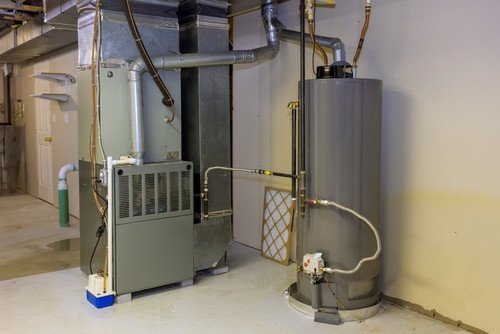 As your trusted team, we recommend regular maintenance to keep your hot water tank in good working order. Here are some of our top maintenance tips:
- Annual Inspections: Schedule an annual inspection with a professional plumber to check for any issues and ensure your tank is running efficiently.
- Flush the Tank: As mentioned earlier, flushing your tank annually will prevent sediment buildup and prolong the life of your water heater.
- Check the Pressure Relief Valve: The pressure relief valve is a safety feature that prevents excessive pressure buildup in your tank. Test the valve annually to ensure it’s functioning properly.
- Monitor the Anode Rod: The anode rod prevents corrosion inside the tank. Over time, it wears down and needs to be replaced. Have a plumber check the rod every few years to ensure it’s in good condition.
Conclusion
At Aquality Plumbing & Heating, we’re dedicated to helping homeowners in Calgary maintain their hot water tanks and avoid unexpected breakdowns.
If you’re experiencing any issues with your water heater or want to schedule a routine inspection, our experienced team is here to help. With regular maintenance and timely repairs, we can keep your hot water tank running smoothly for years to come.
For more information or to schedule an appointment with one of our experts, contact us today!